

Many recycling business owners care about hydraulic baler ROI before placing orders. A waste baler is not only compression equipment; it is an investment tool that reduces operating cost and improves revenue.
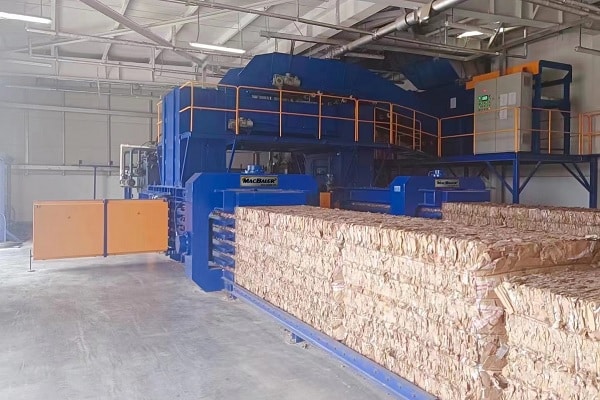
The biggest saving comes from transportation. Loose cardboard, plastic films and PET bottles occupy huge container space. After baling, the density rises sharply, and you can load 3–5 times more material in one container. Less delivery trips directly cut freight cost, which is the largest hydraulic baler benefit for most recycling plants.
Storage cost reduction is the second advantage. Compact bales stack neatly and safely, so you can store more waste in the same warehouse without messy piles. You do not need to rent extra storage space.
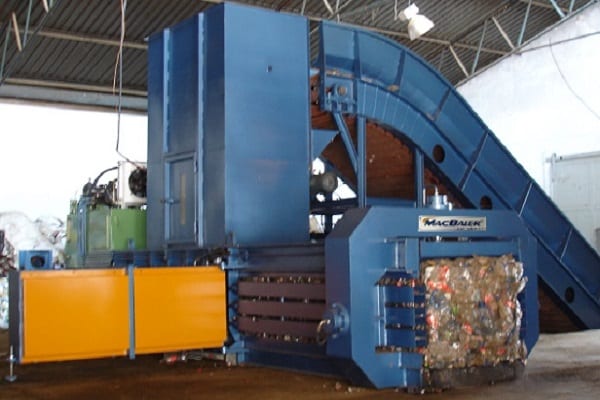
Labor cost is another factor. Automatic baler machine with conveyor feeding reduces repeated material handling work. Fewer workers are required for loading and sorting waste. Stable baler performance also lowers unexpected downtime loss caused by old or unreliable equipment.
The payback period depends on waste type, daily volume and local freight price. For medium recycling stations processing 3–5 tons cardboard and plastic per day, many hydraulic baler projects finish payback within 8–14 months. High-volume sites can recover the cost even faster.
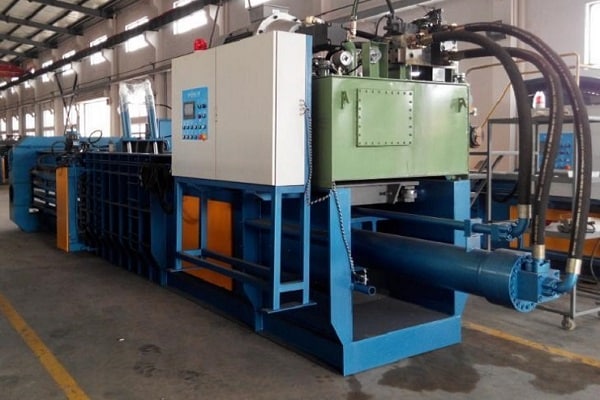
When calculating waste baler cost saving, remember to count maintenance expense and power consumption. Macbaler hydraulic balers adopt energy-saving hydraulic systems with stable structure and low later maintenance cost. Contact us to get a customized ROI estimate for your recycling project.
FAQ
Q:What affects hydraulic baler payback time most?
A:Daily waste output and local ocean/road freight rates are the two biggest factors.
Q:Does a hydraulic baler consume much electricity?
A:Modern energy-saving models from Macbaler have low power consumption, and the freight savings far exceed electricity bills.
Leave A Comment