
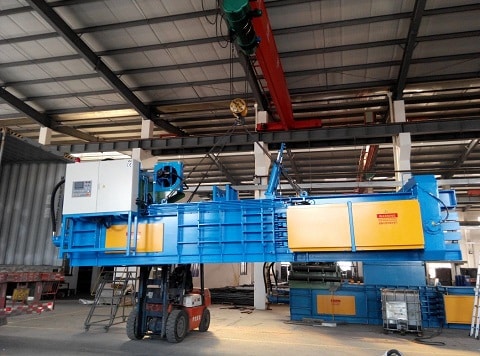
Stable operation is essential for continuous output of hydraulic balers. Many overseas recycling companies focus only on production capacity but overlook routine hydraulic baler maintenance. Over time, this neglect causes common troubles such as oil leakage, unstable pressure and slow cylinder movement. Unexpected breakdowns interrupt schedules and bring avoidable downtime losses.
As a professional hydraulic baler manufacturer, Macbaler recommends all operators build a standard inspection and maintenance schedule. Before and after each shift, workers should check hydraulic oil level and quality, rubber seals, electrical wiring and cutting blade wear. It is also necessary to regularly clean tangled plastic film and fiber scraps inside the feeding chamber. Hard debris must be kept out of the hydraulic circuit to prevent scratches on cylinders and valves.

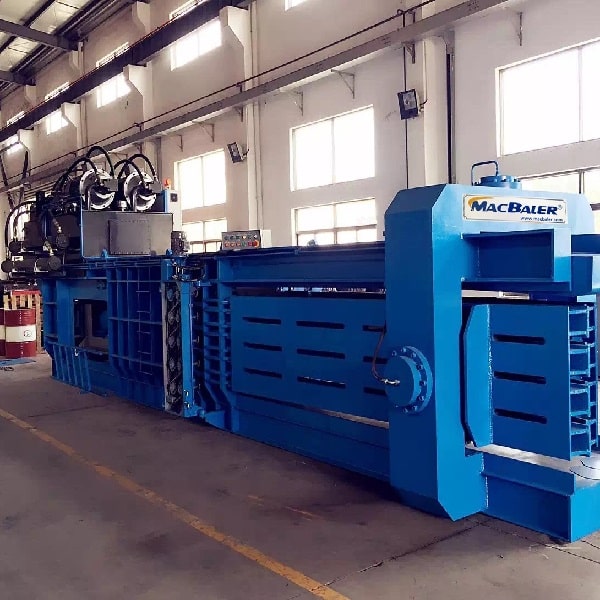
the most durable balers |MacBaler
Regular and standardized maintenance not only cuts unplanned downtime and long-term repair expenses, but also maintains consistent bale density. Our balers handle waste paper, rigid plastic, packaging film, aluminum scrap and textile offcuts reliably. Macbaler provides maintenance manuals and remote technical support for worldwide buyers. We help waste recycling lines run steadily year-round and maximize the return on your baling equipment investment.
FAQ
Q: How often should I carry out hydraulic baler maintenance?
A: Basic hydraulic baler maintenance and baler machine care should be done before and after every work shift. More in-depth inspection and oil testing can follow a weekly or monthly schedule, depending on your workload and waste types.
Q: Can Macbaler provide guidance if I have questions about hydraulic baler upkeep?**
A: Yes. Macbaler supplies detailed operation manuals and remote technical support to help you follow correct maintenance procedures.
Leave A Comment