
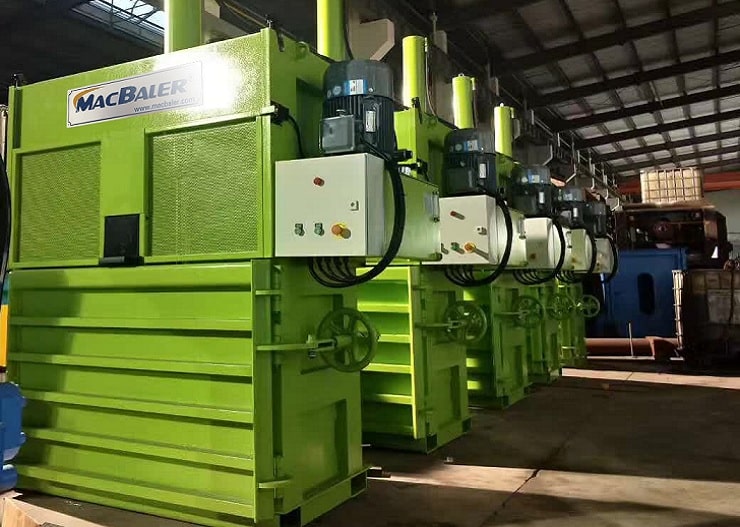
Hydraulic baler downtime directly cuts the profit of recycling facilities. Many operators encounter common baler issues including oil leakage, unstable pressure and slow ram movement during daily operation. Proper hydraulic baler troubleshooting helps you identify risks early and avoid long production stops.
Oil leakage is one of the most frequent hydraulic baler common faults. It usually comes from worn seals, loose pipe joints or damaged hydraulic hoses. Do not keep running the baler if you find oil dripping. Check all sealing rings and pipeline connections first. Replace aging seals and fasten loose fittings. Keep the hydraulic oil clean and maintain the correct oil level, which is the core of baler machine care.
Low pressure is another typical waste baler pressure problem. When the compression force becomes weaker and bales cannot reach expected density, check the hydraulic filter, relief valve and oil quality. Contaminated oil or blocked filters will limit oil flow. Clean or replace filters regularly, and test the pressure setting by professional technicians. Random adjustment of pressure value may damage the hydraulic pump and cylinder.
Regular baler upkeep can greatly reduce these failures. Combine daily visual inspection, weekly oil sampling and quarterly system inspection. If you cannot locate the fault, contact the Macbaler technical support team for remote guidance and spare parts supply.
FAQ
Q: Can I adjust the relief valve by myself to increase baler pressure?
A: Not recommended. Improper adjustment will overload the hydraulic system and cause permanent damage. Ask professional technicians for calibration.
Q: How often should I check hydraulic hoses for leakage?
A: Visual check every day. Full hose inspection every month, replace hoses with cracks or aging surface.